
VVF Repair Surgery in Lucknow provides definitive treatment for vesicovaginal fistula to restore continence and normal urinary function.
Call NowDr. Aditya K. Sharma has been a reconstructive urologist for 20 years and has a lot of experience specifically with female urology and urinary fistula surgeries. He does vesicovaginal fistula repairs and uses very specific tissue dissection and closure of the tissue in layers to separate the bladder and vagina.
Dr. Sharma is a regarded physician for his work and is a Gold Medalist in MBBS with a specialization and training internationally, and he combines an advanced level of reconstructive skill with a very kind and warm, patient-involving approach. He is the most considered physician for managing obstetric and post-surgical fistulas, and is very precise about his surgical planning and use of new imaging techniques.
Using his very specific surgical techniques and planning, he achieves fistula closure, very minimal recurrence, and restoration of urinary incontinence. This makes him a very reliable physician for VVF Repair Surgery in Lucknow.
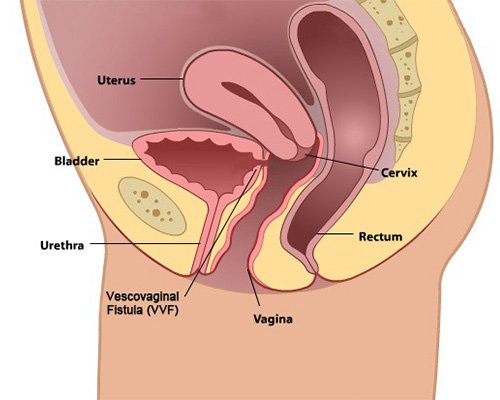
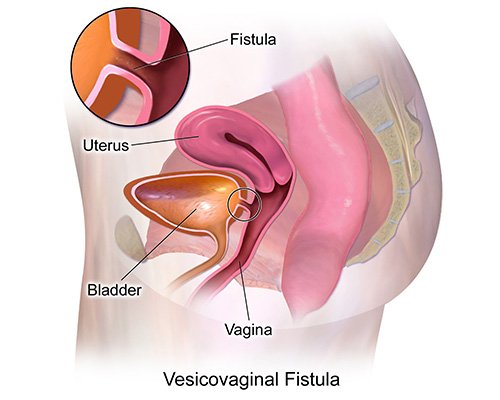
A vesicovaginal fistula is an injury that causes urine to leak out of the vaginal area because the barrier between the bladder and vagina is no longer intact. It is the result of the tissue sustaining injury and the body not fully healing the injury.
VVF is most often due to complications during labor or surgery of the pelvic region. Because of urine continually leaking, the person has to deal with the distress of the condition and the impact on their hygiene. Skin irritation can also occur. The surgical repair is the only way to get rid of the issue and to get the bladder control back to being normal.
Women with vesico-vaginal fistulas that are causing ongoing urinary leakage will need repair surgery. If there is active inflammation, the tissue must first be allowed to heal before it can be closed surgically. Some women may need management for obstetric, surgical, or radiation-associated fistulas. There is a specific time and way in which these can be addressed, and this is dependent on a proper assessment.
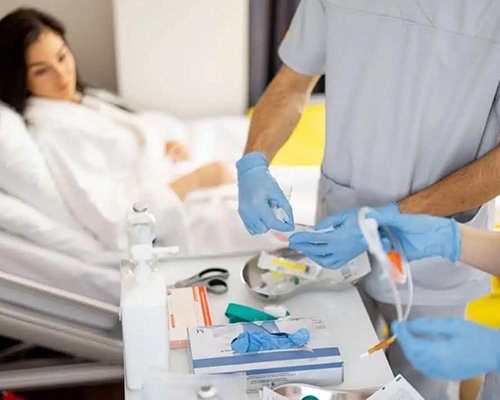
Identifiers of the fistula’s size, location, and condition of the surrounding tissue are obtained in the preoperative assessment through cystoscopy, dye testing, imaging, and infection screening evaluations. Also evaluated are the capacity of the bladder and the condition of the surrounding vaginal tissue. Injuries and surgical repairs heal better with the passage of time. The success of the repairs and the time it takes decreases the chances of the fistula recurring.
VVF repair is one of the most difficult surgeries to perform. For primary closure, repeat repairs have a success rate of over 85% to 95% success. The success of the repair depends on the size of the fistula and the quality of the tissue. It is very important to have a very careful surgical technique, closure, and drainage of the catheter for the closure to be successful. It is known that the success of the surgical closure will be prolonged if the closure is done on healthy tissue.
The surgery is done with the patient under anesthesia and involves careful exposure of the fistula. The surgeon makes a cut in the vaginal wall and separates all the layers to obtain access to the layers of the bladder. Each layer is closed with very fine stitches to allow for healing of the bladder and a piece of tissue may be placed between the bladder and vaginal layers to reinforce the repair. A urinary catheter is placed to allow the bladder to heal.
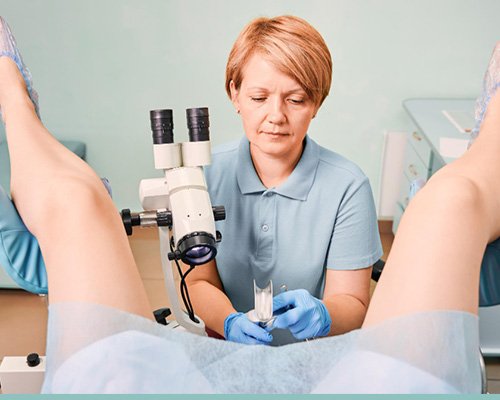
With VVF repair surgery, people can regain the ability to control their urine so that they are no longer leaking urine. This also leads to an improvement in hygiene and skin condition. When the fistula is successfully closed, the chances of developing an infection and experiencing bad odors significantly decrease. People also regain their confidence and social life.
VVF repair is generally safe, but potential complications may occur. Most are uncommon and manageable with proper care.
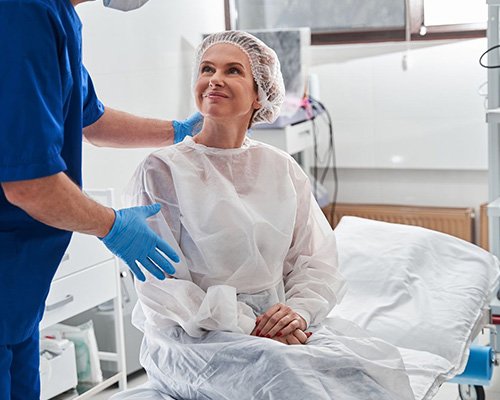
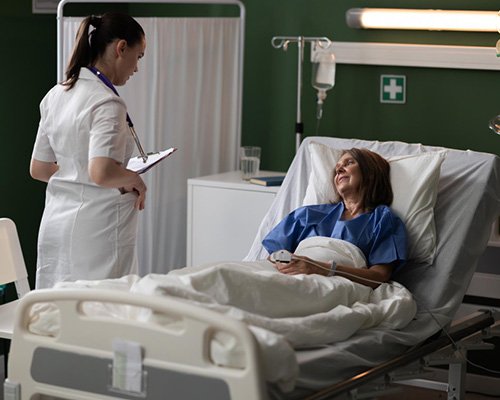
The goal of recovery is to protect the surgical repair while the tissue is healing. A catheter is left in place to allow for continuous drainage of the bladder for several weeks. Patients have to be careful not to do anything that would place strain or pressure on the tissue while it is healing. Your hospital stay will range from several days to a week.
Dr. Aditya K. Sharma has VVF surgery (vesicovaginal fistula surgery) and has advanced techniques to close fistulas and restore urinary continence. Managing VVF and fistula incontinence requires advanced reconstructive urology techniques to distinguish and repair the fistula.
His technique has an evaluation and pre-operative planning approach to ensure positive surgical outcomes, minimal complications, and an overall increase in patients' well-being. His gentle demeanor and adherence to international reconstructive surgery standards rank him highly among VVF Repair Surgeons in Lucknow.
Learn about vesicovaginal fistula causes, treatment, recovery, and success rates.