Robotic Partial Nephrectomy in Lucknow enables precise kidney tumour removal while preserving healthy kidney tissue and long-term function.
Call NowDr. Aditya K. Sharma is one of the finest urologists of India with over 20 years of experience, specializing in uro-oncology and minimally invasive advanced kidney surgeries. He is an expert in performing robotic surgeries to remove kidney tumours while ensuring maximum preservation of healthy renal tissues.
Dr. Sharma is an MBBS Gold Medalist, and with additional specialized international training, he blends oncological safety with preservation surgical techniques. He is known for his complicated robotic kidney surgeries and uses advanced imaging with thorough surgical planning.
Because of his patient-first approach, he can achieve the highest degree of cancer control with the least amount of complications while ensuring the long-term functionality of the kidneys. Because of this, he is the preferred surgeon for robotic kidney surgeries in Lucknow.
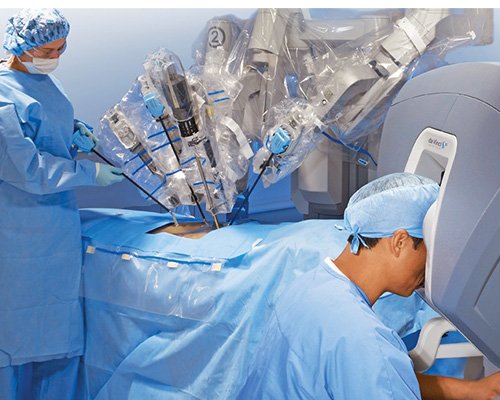
Robotic partial nephrectomy is one of the most advanced techniques in kidney surgery, allowing the surgeon to save the entire kidney while removing the kidney tumor. Instead of the larger incisions used in most surgeries, these procedures use small keyhole incisions to insert the surgical robot's instruments and high-definition cameras.
Once the instruments are in place, the surgeon controls the surgical robot to kill the tumor and preserve as much of the healthy kidney tissue as possible. Most of these tumors being removed are small to moderate in size, with some more complex cases also being candidates.
Before surgery, the doctors assess the size of the prostate, the condition of the bladder, and the general health. TURP is often preferred when the symptoms are severely affecting the quality of life.If you have a kidney tumor and you really need to save as much kidney tissue as possible, then this surgery is a good option. Most often, this is done on tumors that are small to medium and are contained in the kidneys. If you have bilateral tumors or have diseased kidneys, then this surgery is suggested as well. This surgery is suggested if complete kidney removal will cause long-term problems with your kidneys. A careful, both imaging and functional evaluation will help decide if this surgery is a good option.

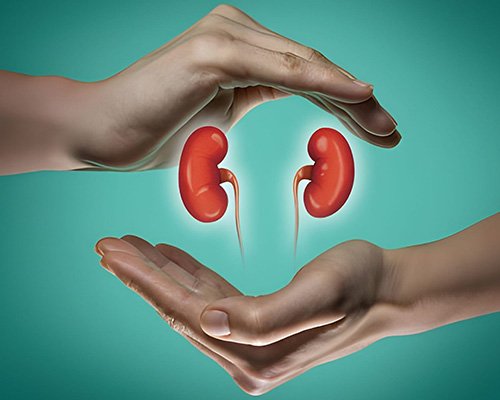
Partial nephrectomy only removes the tumor and keeps the healthy tissue in the kidney. This means the filtration ability is preserved and the chance of developing chronic kidney disease is decreased.
Robotic surgery allows tumor excision with maximum preservation of healthy kidney tissue and the least amount of ischemia. The preservation of renal function is vital for patients who only have one kidney or have other medical conditions. In the long-term, the kidney function after this procedure is statistically better than that after complete nephrectomy.
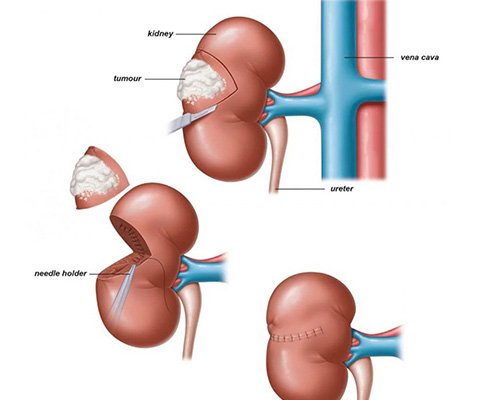
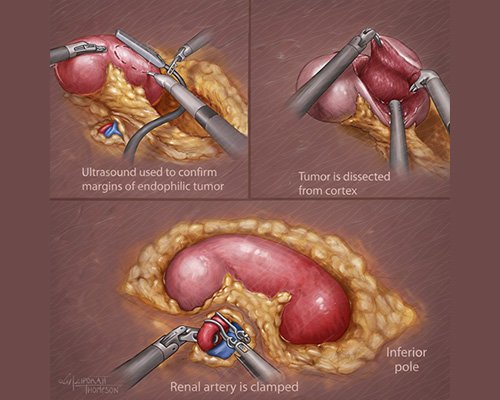
The patient is put under general anesthesia, and very small cuts are made to insert robotic ports and a camera. Then, the surgeon located the tumour and took it out along with some other tissue. The surgeon controlled the blood supply to the tumour area. Finally, the cut in the kidney was sewn up, and the specimen was taken out with no damage.
Surgical robots improve precision in surgeries and more accurately remove tumours. This means that more healthy tissue is kept. Compared to open surgeries, there is less blood loss and less risk. Patients feel less pain and have shorter hospital stays. Long-term outcomes for kidney function are better. And it improves cosmetic outcomes because the incisions are smaller.
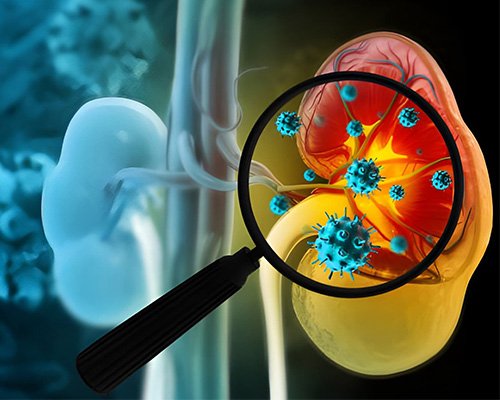
Robotic partial nephrectomy is generally safe but potential risks exist. These are uncommon and manageable with proper care.
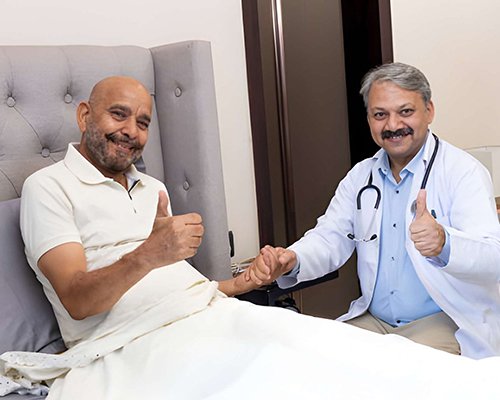
Recoveries are generally quicker than those from traditional open kidney surgeries. It is common for patients to begin walking less than one day following the operation. Some patients may temporarily experience mild pain or fatigue.
Most patients are discharged within three to four days. Patients are typically cleared to resume normal diets soon after surgery as well. Patients are encouraged to gradually increase their activity. Follow-up imaging is done to confirm proper healing and to check for tumors.
| Feature | Robotic Partial Nephrectomy | Open Nephrectomy |
|---|---|---|
| Incision | Small keyholes | Large incision |
| Pain | Less | More |
| Blood Loss | Minimal | Higher |
| Recovery | Faster | Slower |
| Cosmesis | Better | Visible scar |
| Feature | Robotic Partial | Laparoscopic |
|---|---|---|
| Instrument Precision | Very high | Moderate |
| Suturing Ability | Superior | Limited |
| Tumour Complexity | Suitable | Limited |
| Surgeon Ergonomics | Better | Moderate |
| Outcomes | Excellent | Good |
Dr. Aditya K. Sharma is one of the best surgeons of robotic kidney tumor surgeries, in which he aims to control the spread of cancer while preserving as much of the kidney as possible. His knowledge of uro-oncology and minimally invasive cancer surgeries allows him to remove the tumor while ensuring the reconstruction is safe.
He does meticulous planning before the operation,s which include the latest imaging techniques and assessment of kidney function. Together with the aims of preserving the kidney function and of making the complications after surgery minimal and the recovery faster.
Dr. Aditya K. Sharma's patient focus, combined with his adherence to international guidelines, makes him one of the most preferred surgeons for Robotic Partial Nephrectomy in Lucknow.
Learn about robotic kidney tumor surgery, safety, recovery, and kidney function preservation.