In Lucknow, Robotic Radical Cystectomy provides improved minimally invasive surgery for bladder cancer, so patients have better recovery results and tumour removal is more precise.
Call NowDr. Aditya K. Sharma has over 20 years of experience in uro-oncology and advanced robotic cancer surgery. He specialises in robotic radical cystectomy, urinary reconstruction and lymph node dissections.
Dr. Sharma is an MBBS gold medalist and has international training. He fuses oncological precision with organ reconstruction expertise. He is highly regarded for his complex cases involving bladder cancer with the use of advanced imaging and robotic surgical techniques.
He makes sure that his patients receive the best cancer control and minimal complications. Because of all of this, he is very well regarded for his robotic bladder cancer surgeries in Lucknow.
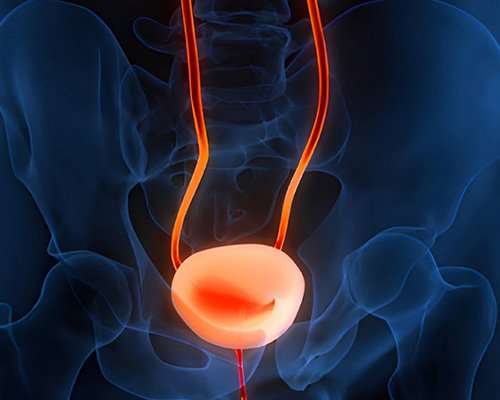
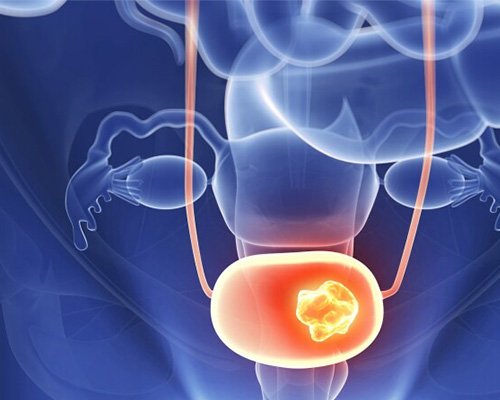
Robotic radical cystectomy is a type of robotic surgery used to remove an individual's cancerous urinary bladder. In men, this would additionally require removal of the prostate, and in women, the uterus may also be removed.
This type of surgery requires the removal of lymph nodes located near the bladder, and the patient will also require re-routing of the urinary system due to some of the surgical changes. Because of this, repositioned robotic surgical tools and a camera are used to remove the bladder through small incisions that are referred to as 'keyholes'.
The ability to remove cancer tissue from the bladder as well as the bladder's surrounding protective nerve tissues is made easier through robotic surgery compared to the blood loss and tissue recovery times involved with traditional surgery.
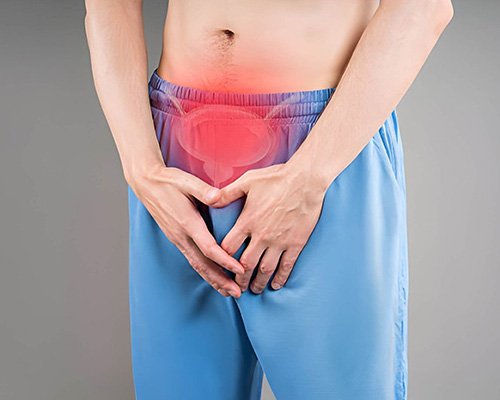
Radical cystectomy is mainly needed in cases of aggressive or invasive bladder cancer that cannot be managed by local therapies and is advised in cases of muscle-invasive bladder cancer and recurrent high-grade non-invasive bladder cancers.
It is also needed in patients with extensive bladder involvement or failed intravesical therapy. The physician evaluates the stage, extent, and operability of the patient before advising surgery.
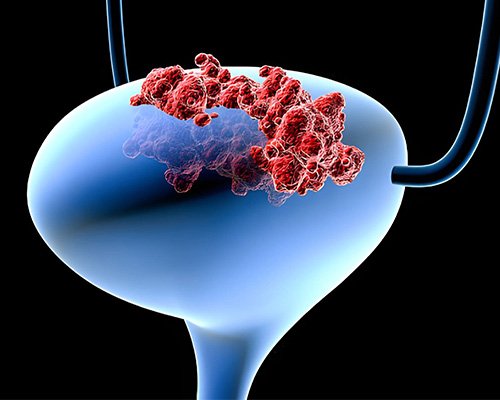
Robotic radical cystectomy has cancer control outcomes equivalent to open surgery performed by skilled surgeons. The removal of the tumour and lymph node dissection enables accurate cancer staging and oncological safety.
The robotic magnification system is useful for precise dissection and margin clearance. Long-term survival rates are equivalent to conventional methods. The minimally invasive technique enhances postoperative recovery without affecting the effectiveness of cancer treatment.
The procedure involves general anaesthesia with docking of the robotic system. Minimally invasive incisions enable the placement of robotic ports and a camera. The bladder and surrounding tissues are dissected and removed. The pelvic lymph nodes are cleared. Urinary diversion reconstruction is done using an intestinal segment. The procedure is finished robotically. The specimen is removed safely.
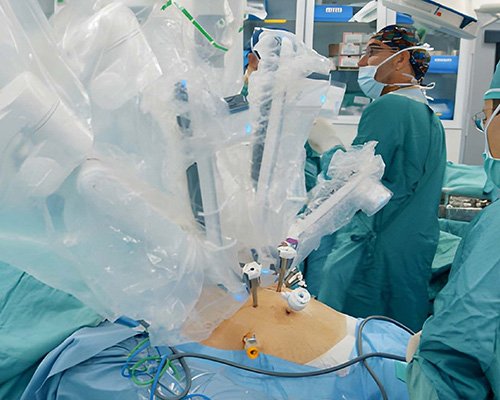
Robotic technology improves the accuracy of cancer excision and reconstruction. Bleeding is reduced compared to open surgery. Pain and recovery time are minimised due to smaller incisions.
Recovery is easier, and hospital stay is shorter. The magnification of robotic surgery improves nerve and tissue sparing. Complication rates are reduced with experienced surgeons.
Robotic cystectomy is a major cancer surgery and carries potential risks. Most are manageable with expert care.

Recovery entails a gradual return to normal activity and adjustment to urinary diversion. Patients begin mobilising shortly after surgery. The hospital stay is typically five to seven days.
The diet is gradually resumed as bowel function returns. Mild fatigue is experienced initially. Follow-up care is centred on wound healing and urinary diversion function.
| Feature | Robotic Cystectomy | Open Cystectomy |
|---|---|---|
| Incision | Small keyholes | Large incision |
| Blood Loss | Less | More |
| Pain | Less | More |
| Recovery | Faster | Slower |
| Hospital Stay | Shorter | Longer |
Dr Aditya K. Sharma focuses on the oncological safety and functional reconstruction of the bladder, utilising advanced robotic bladder cancer surgery and his extensive experience in uro-oncology means the precise removal of the tumour and lymph nodes.
He focuses on detailed individualised diversion and preoperative staging. Patients experience the benefits of minimally invasive surgery and decreased complications and shorter recovery time. His approach to his patients and his surgical skill acquired abroad makes him an excellent candidate for Robotic Radical Cystectomy in Lucknow.
Learn about robotic bladder removal surgery, recovery, safety, and life after cystectomy.